Notes on Pierre Paulin, Heritage & Time
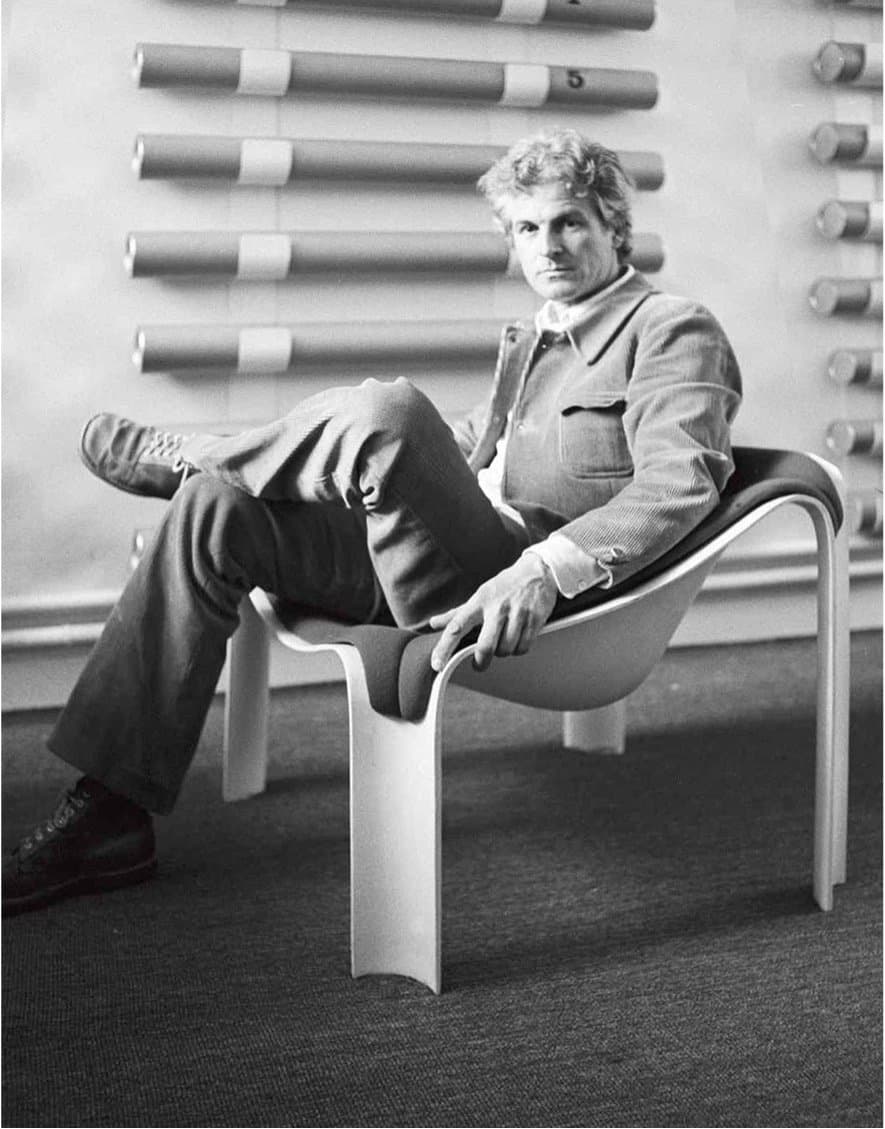
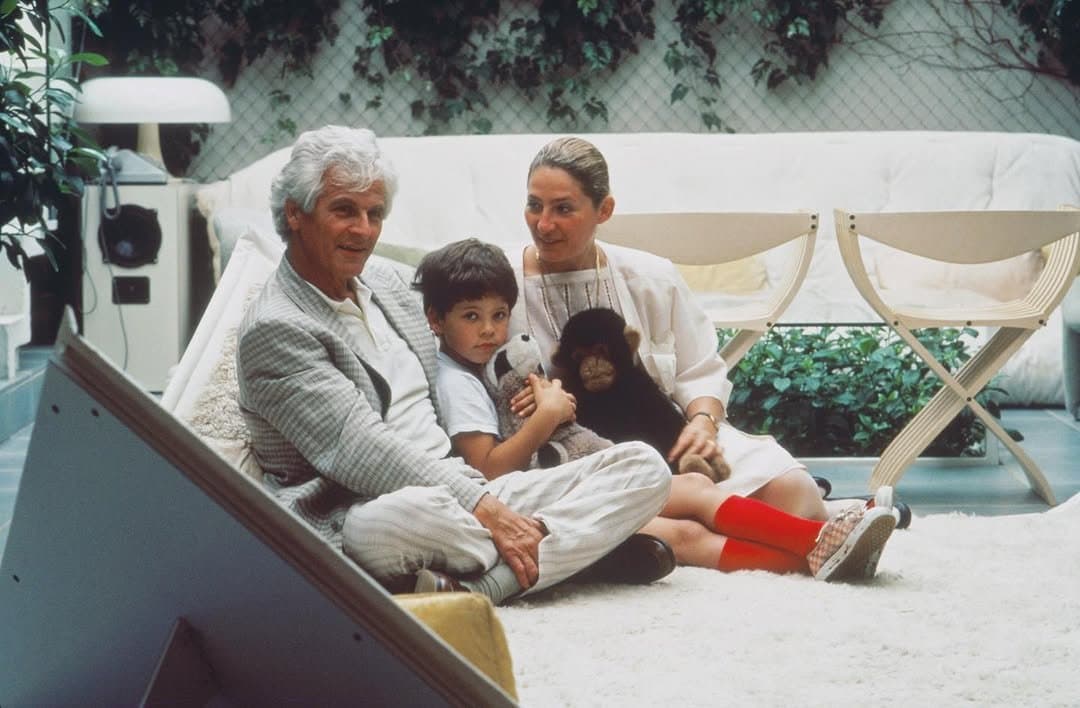
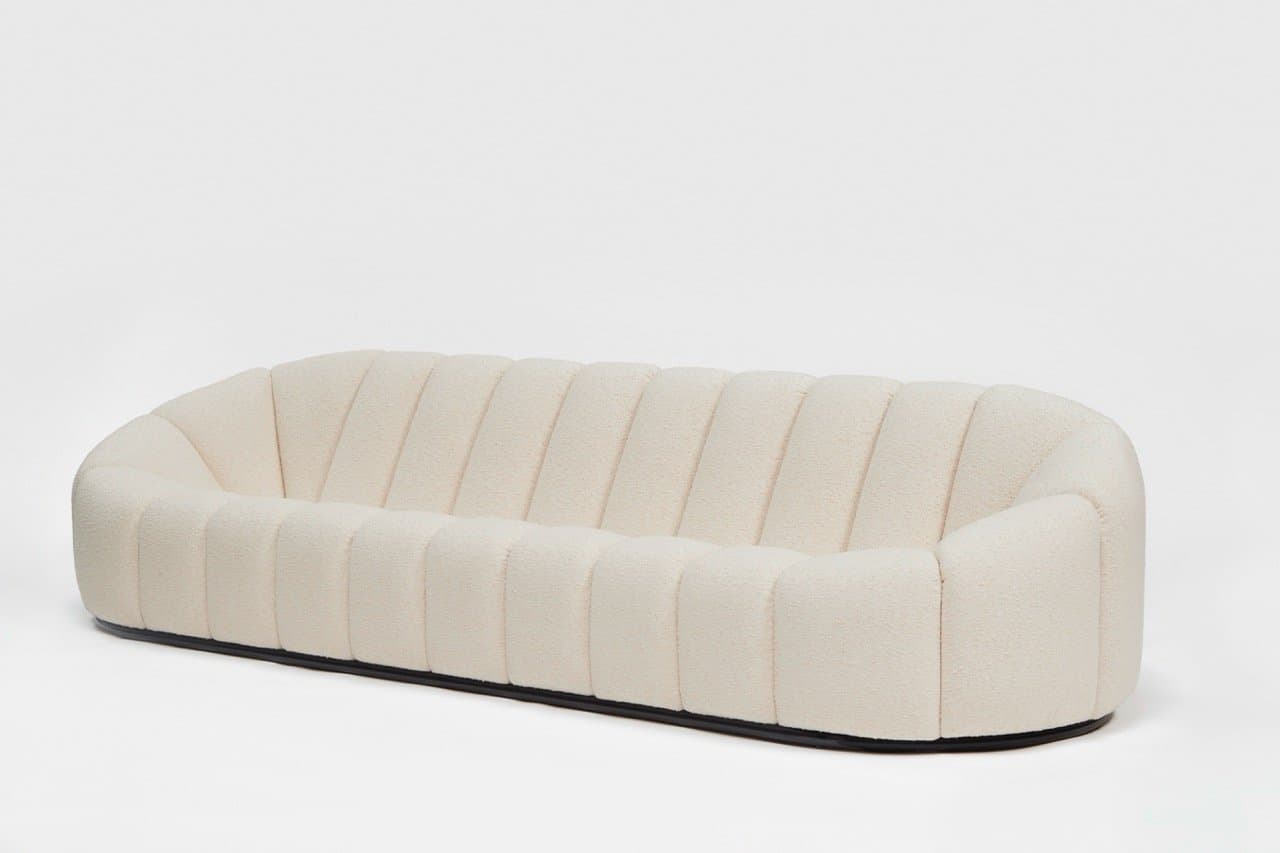
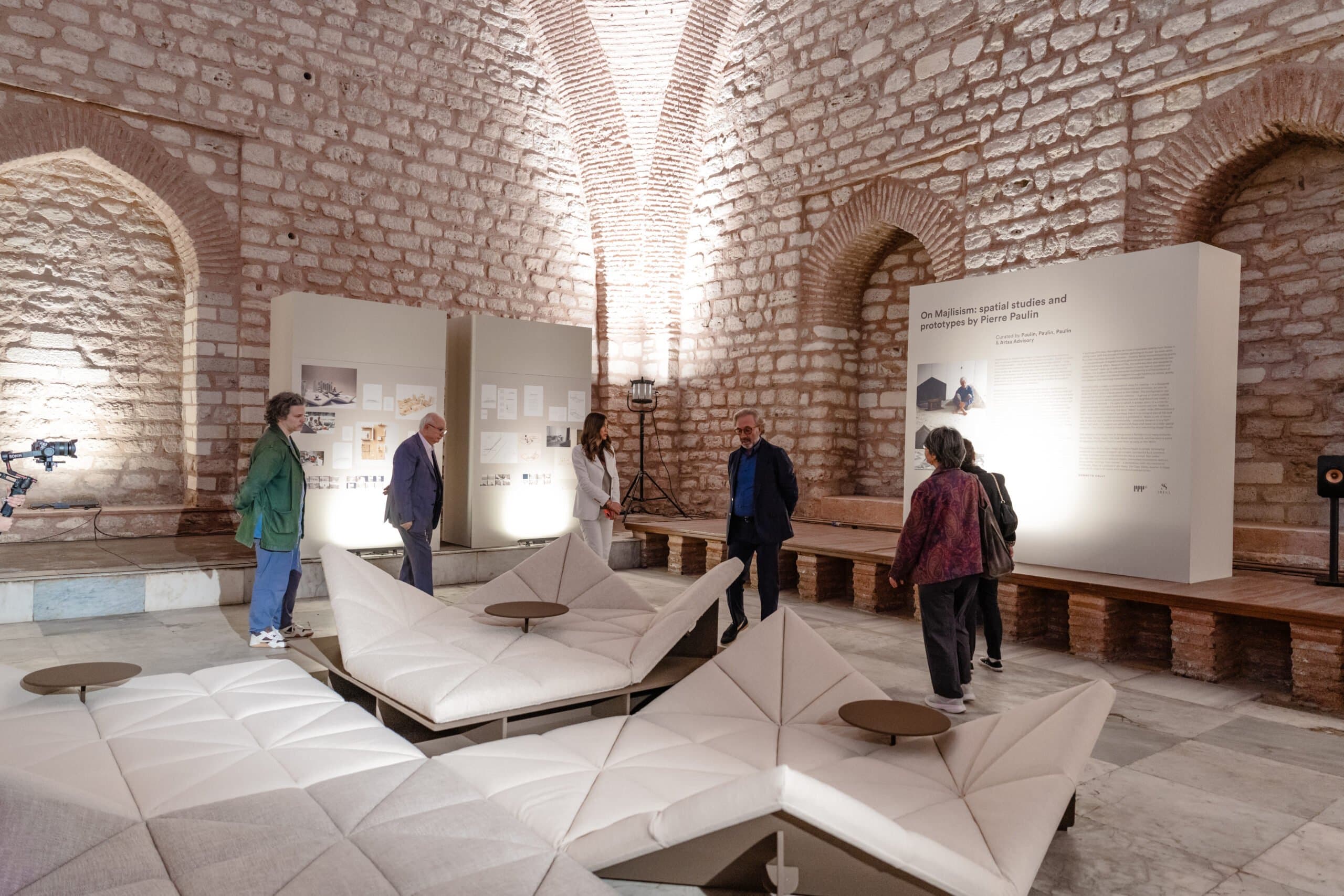
Pierre Paulin wasn’t a name I was familiar with, even though I’d seen his work many times before - in movies, television shows, and my cursory rounds on social media. I already admired a few of his pieces, in particular his Dune Sofa and F300 Lounge Chair, but seeing them in the wild, I assumed that they were the work of some contemporary designer or studio. So it wasn’t until I stumbled on an exhibition of his work organized in part by his son, Benjamin Paulin, that I began to put the pieces together. I finally put a name to the work, and also discovered that these designs mostly date back to the 1960s and 70s, which seemed incongruous with the recent interest in his work, and the futuristic feeling of his furniture.
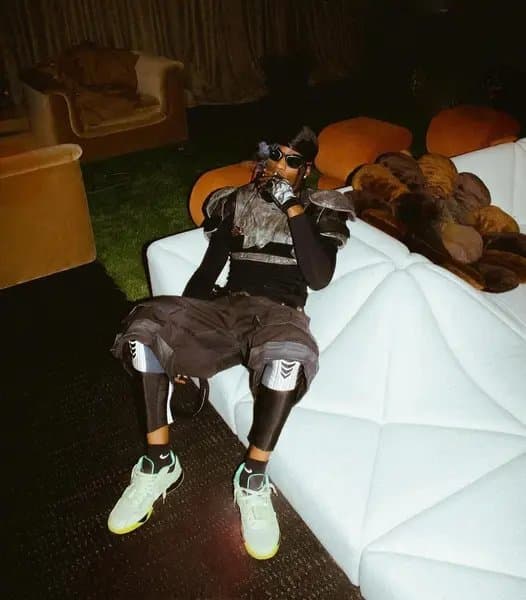
Paulin's work was, in fact, popular and widely circulated during the time of his life, but his ideas have taken on new life again, expanding into even wider circles now. One major catalyst is the Dune Sofa, which has graced the halls of Louis Vuitton fashion runways, and the living rooms of artists like Frank Ocean and Travis Scott. This interest from the music and fashion communities is in some ways about an attraction to the new, the different or the hard to get, of course, but also signals a broader connection that resonates with contemporary culture at large. I suspect that Paulin’s work is landing with people today not only because of the beautiful forms in which they arrive, but also because his ideas and philosophies are so perfectly in tune with our current fixations. In this way, Paulin’s work is both of its time, and ahead of its time.
The following is an exploration of Paulin's work, and the interconnected ideas of heritage and time.
1 of 4
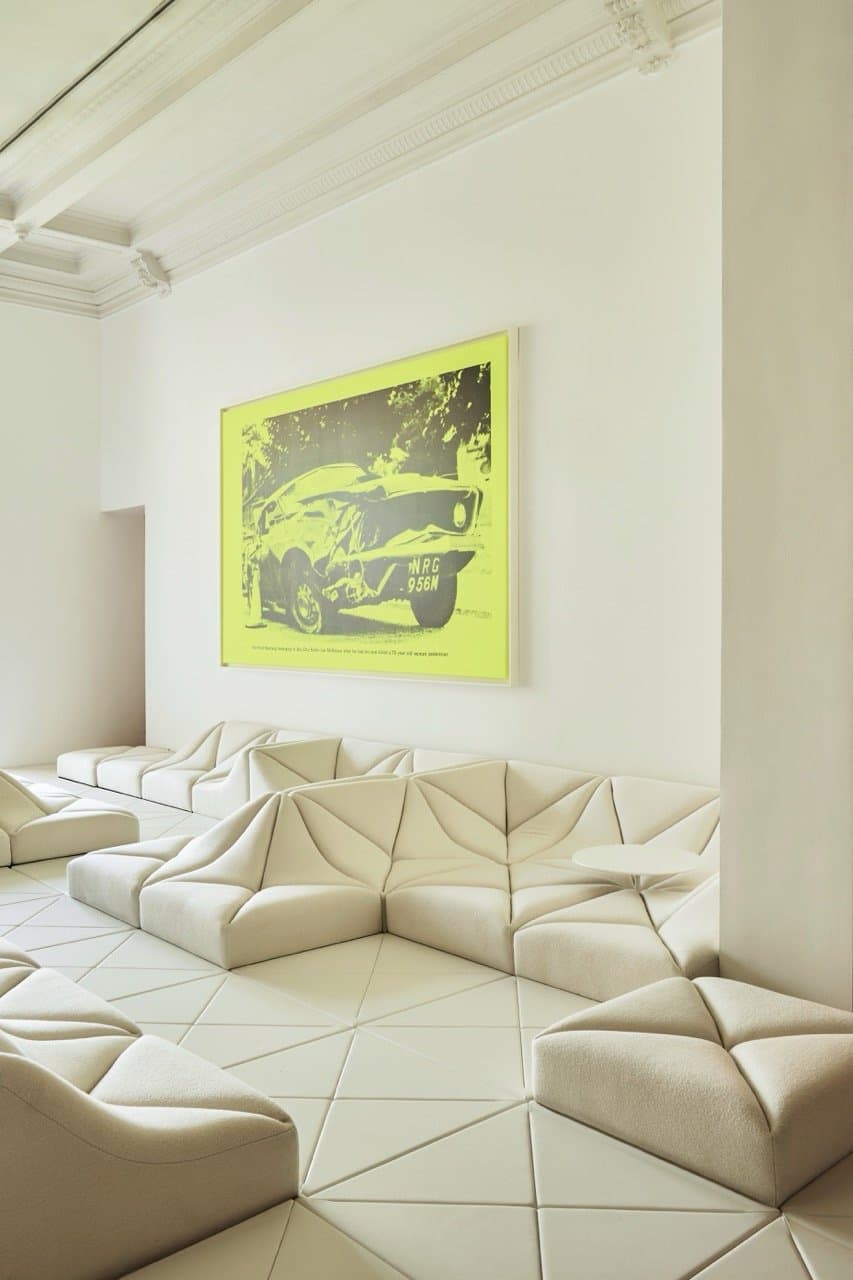
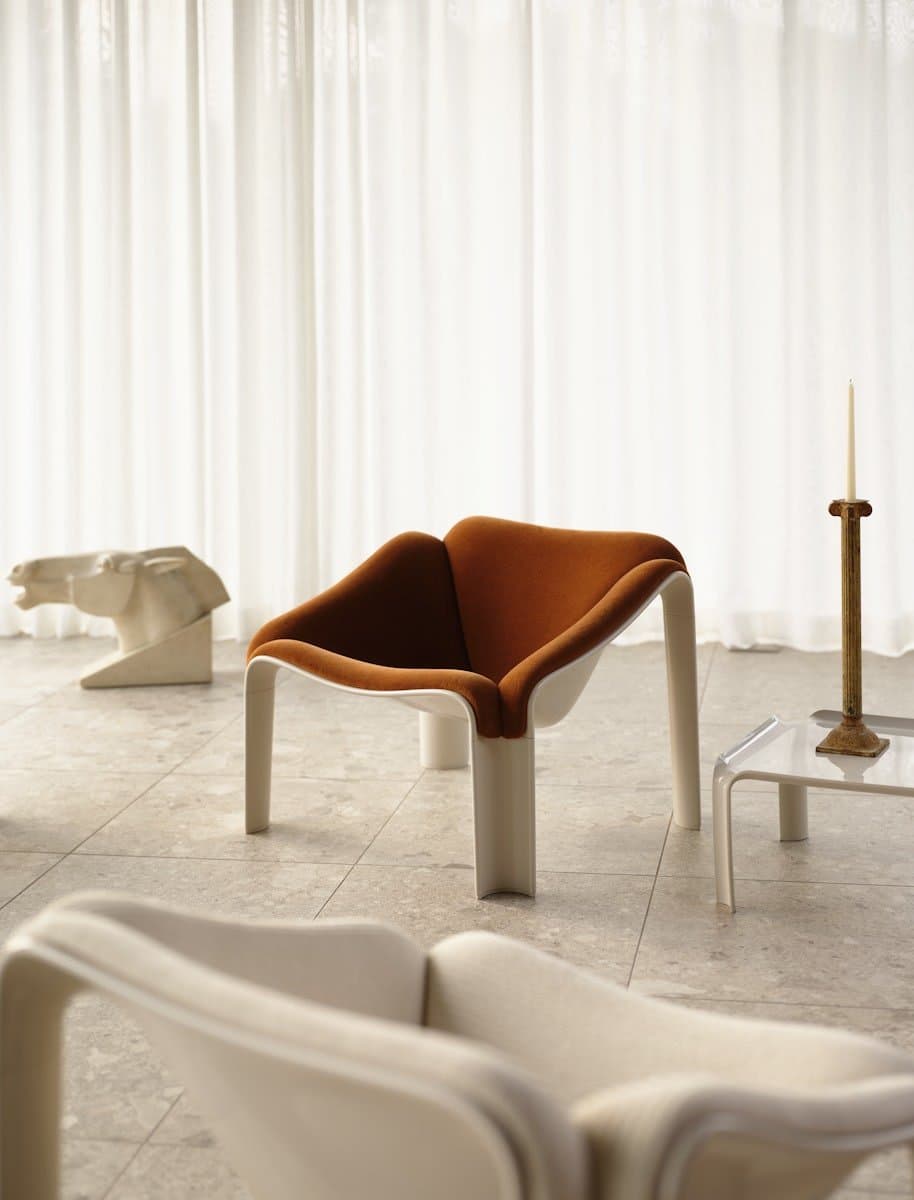
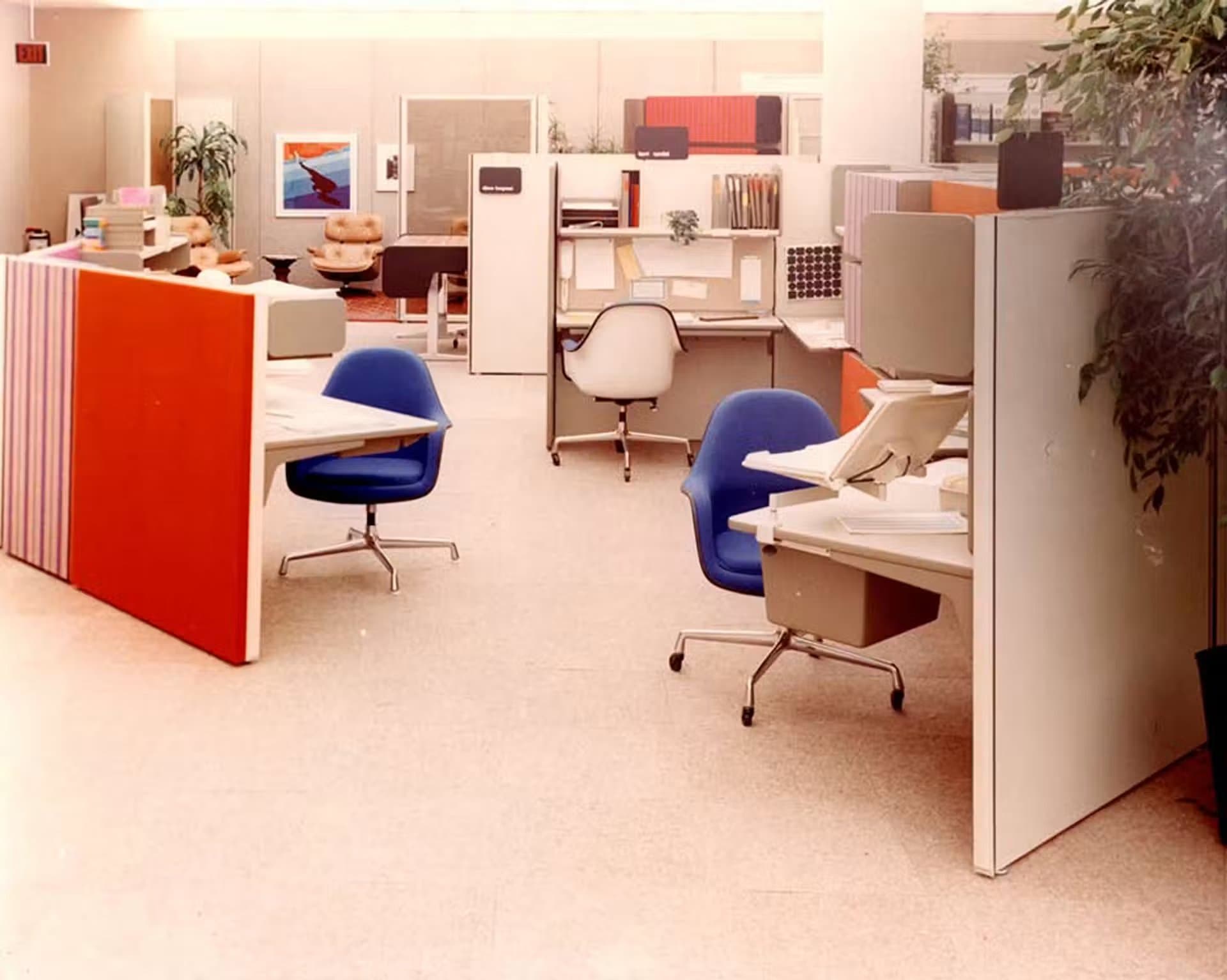
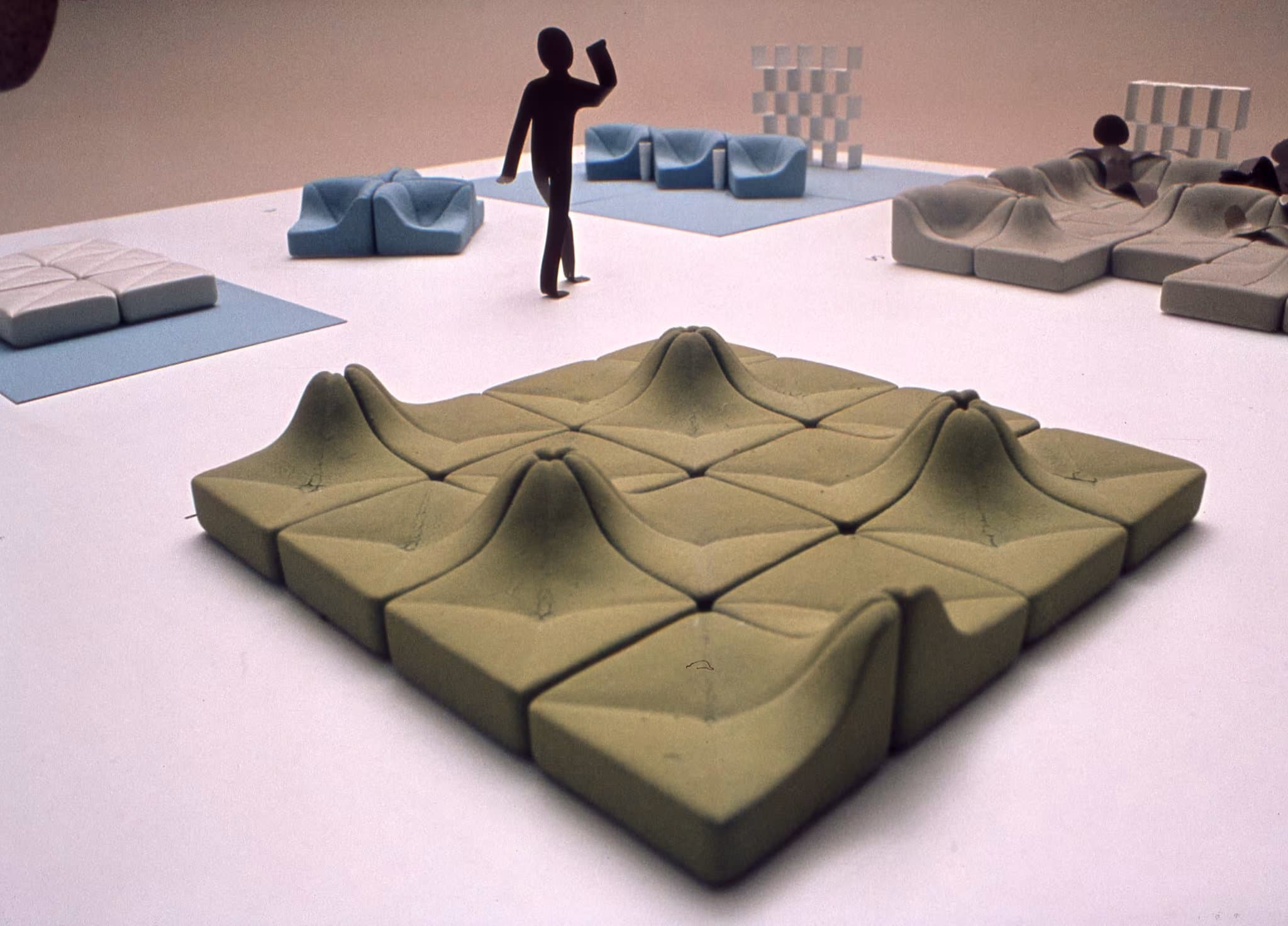
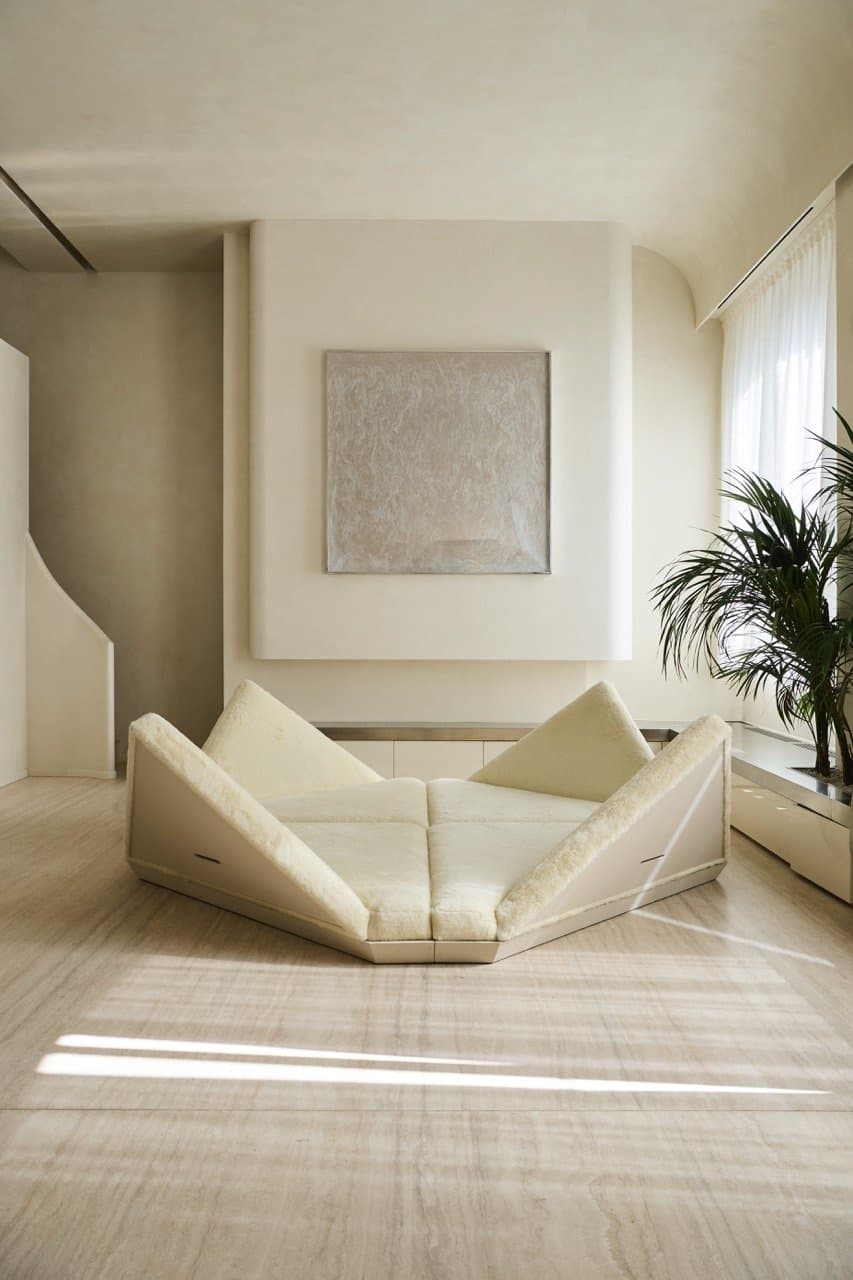
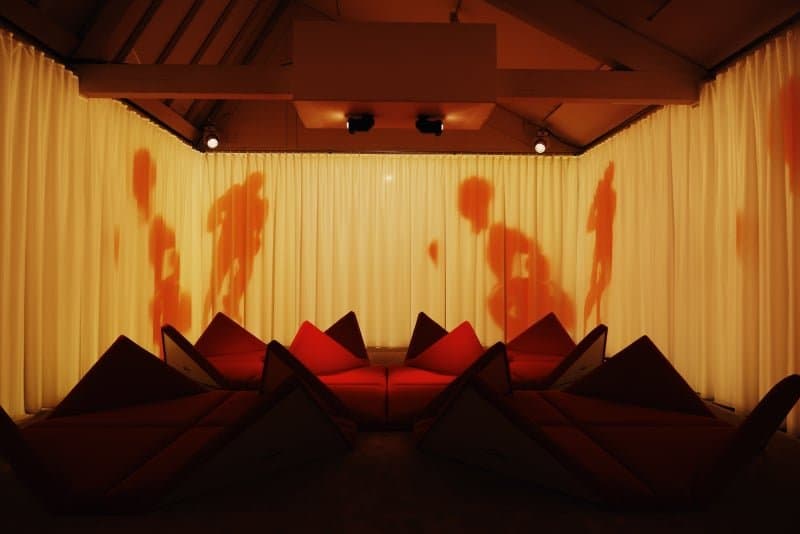
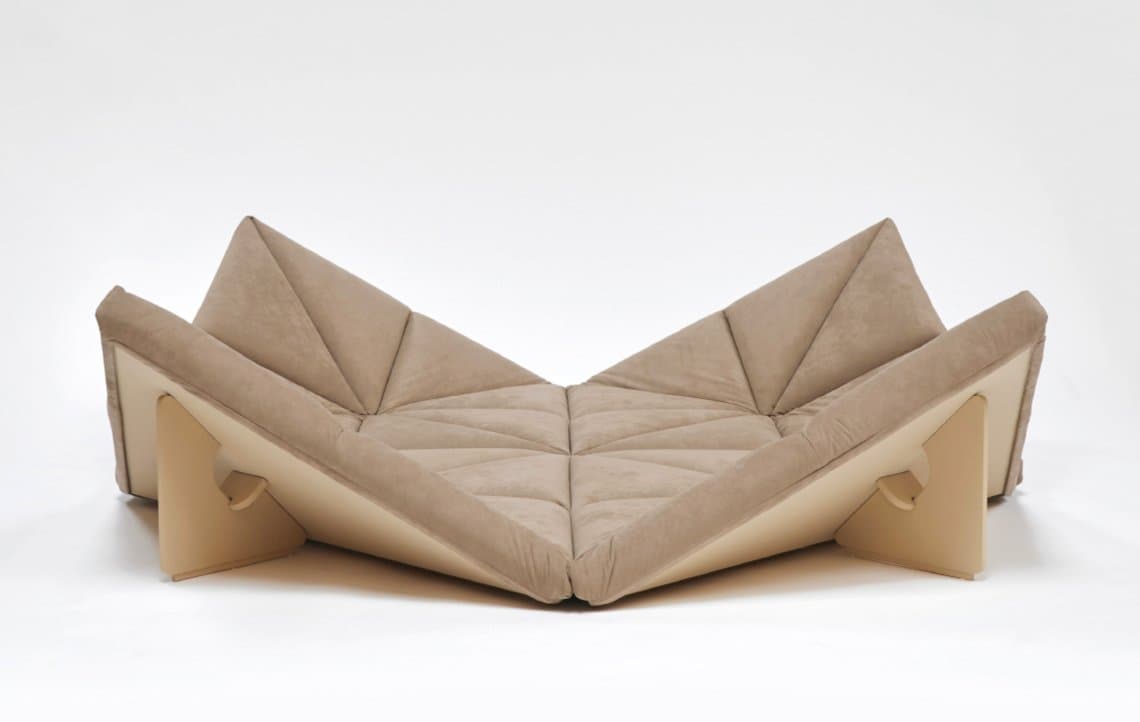
The Dune Sofa in particular is a microcosm for much of Paulin's work (which spans furniture, objects, spaces and graphic identities). His first designs for the Dune Sofa were intended to complement Herman Miller's program of the Action Office1, which was a modular office furniture system, and is the precursor to the modern office cubicle. Paulin proposed bringing this modularity into the residential sphere - thereby creating Action Home. He had been dabbling with notions of shifting and configurating space for some time, and this project centered around the living space, with modules for making and remaking a zone for sitting or lounging, gathering or nesting. The piece itself is made up of four distinct modules, each of which can combine with the other to create theoretically as many variations on a furniture landscape as desired. You could describe the Dune Sofa as an articulation of the floor - lifting and pulling on sections to create a back rest, pushing on others to create a cushioned seat. In fact, Paulin's subsequent project, titled Tapiese Sege literally means floor seat in French. It's not clear to me whether this project was an evolution of the Dune Sofa, or perhaps a conceptual antecedent. What does seem clear is that these ideas of customizable comfort rising from the ground up are a theme that Paulin explored extensively (see also the various Declive concepts).
1 of 6
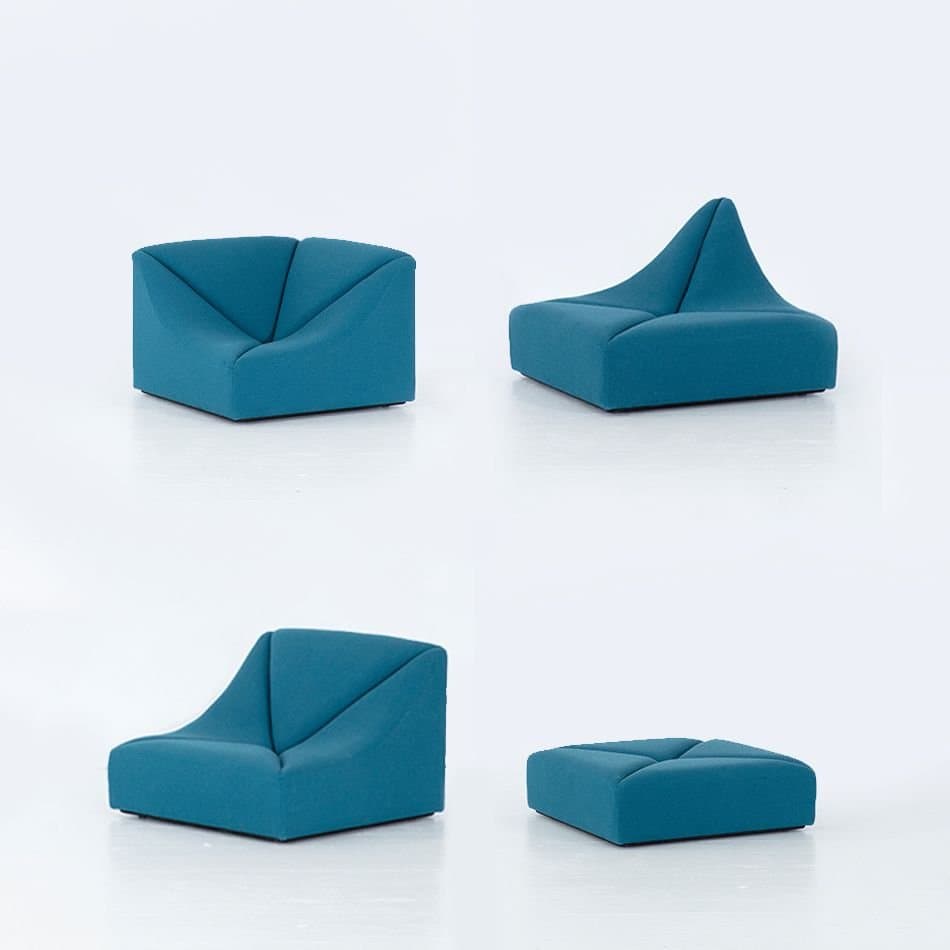
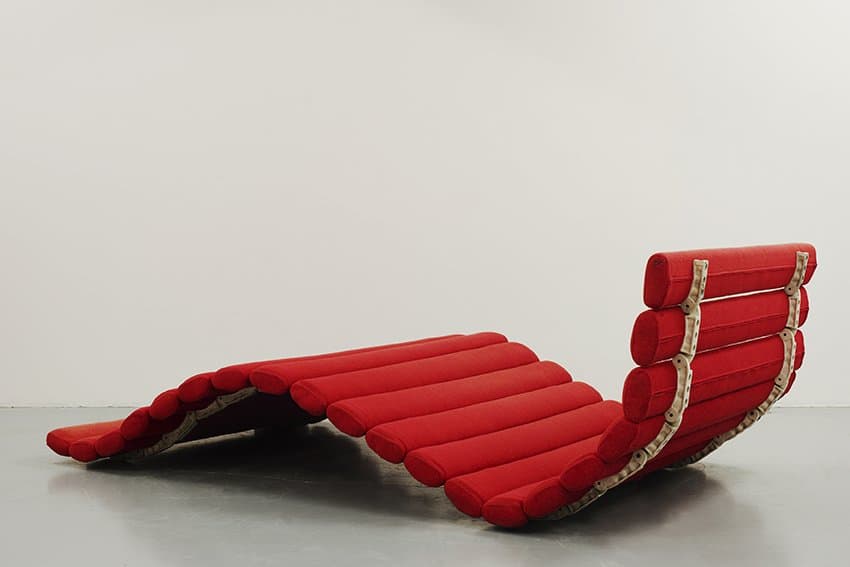
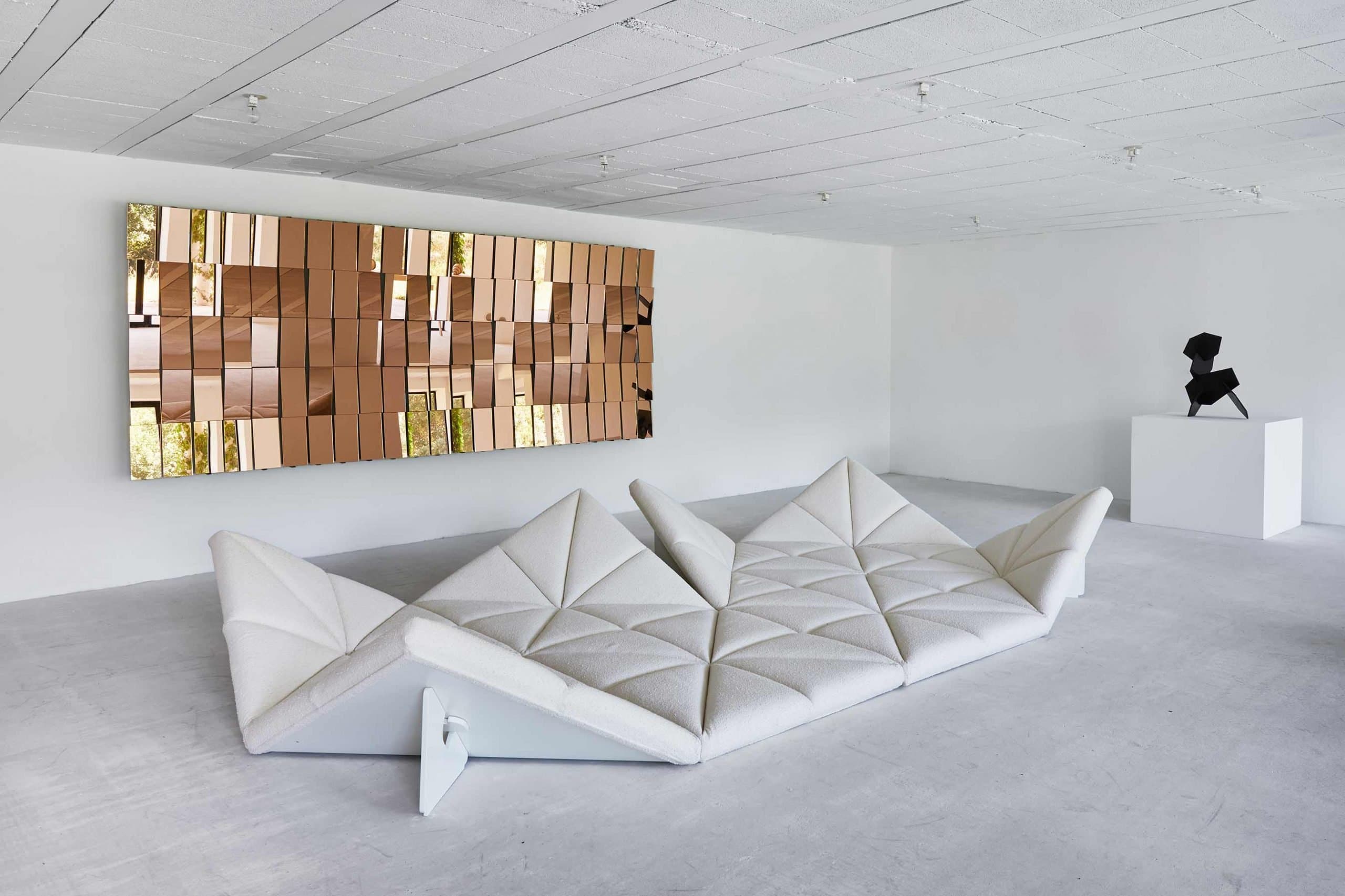
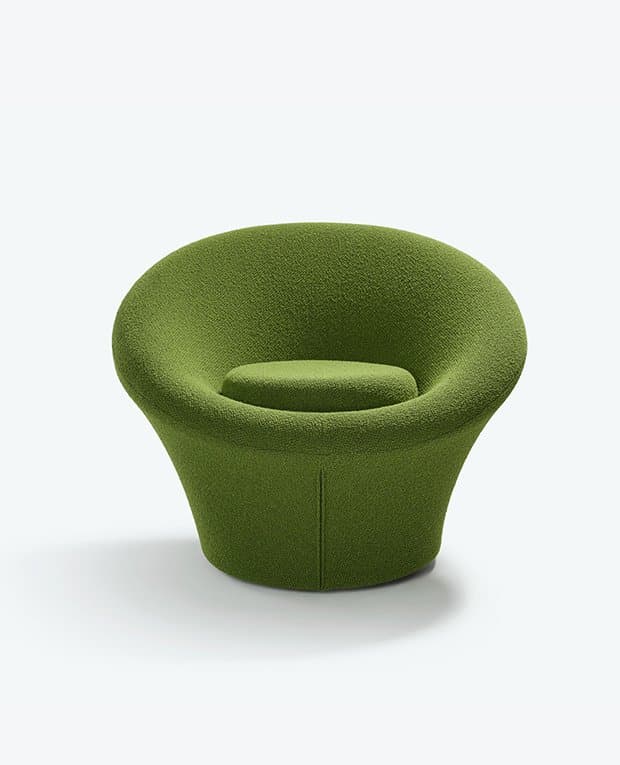
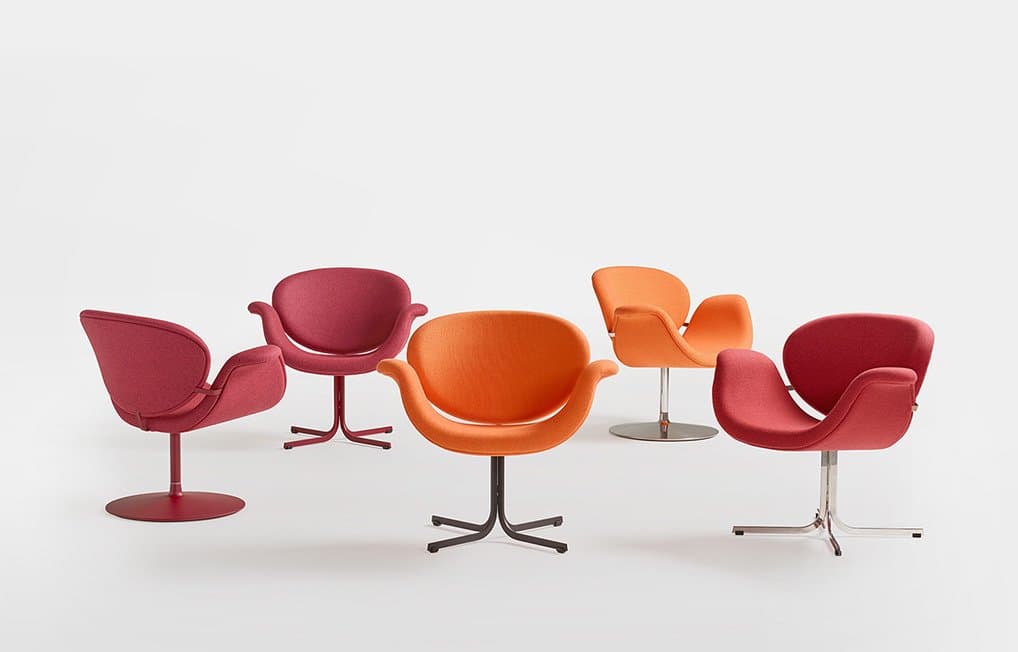
The shame of it all is that when Paulin proposed Action Home to Herman Miller, they decided not to bring it to production, apparently under the logic that it would be too involved and too expensive to produce. This was not an unusual response to Paulin's designs, given that many of his most popular ones required novel materials (like four way stretch fabric) or novel techniques (this story from Gubi is a beautiful one showing how his F300 Chair is currently made). His ideas pushed and pulled on the state of the art in production just like they pushed and pulled on form and function. If you'll allow me to take this analogy just a little too far, you can see it literally happening with pieces of his like the Mushroom Chairs, where the seat is made by a gentle push down into the form, or the Tulip Chairs where the arms seem to have been pulled and pinched ever so slightly, lending them their flower-petal like quality.
1 of 5
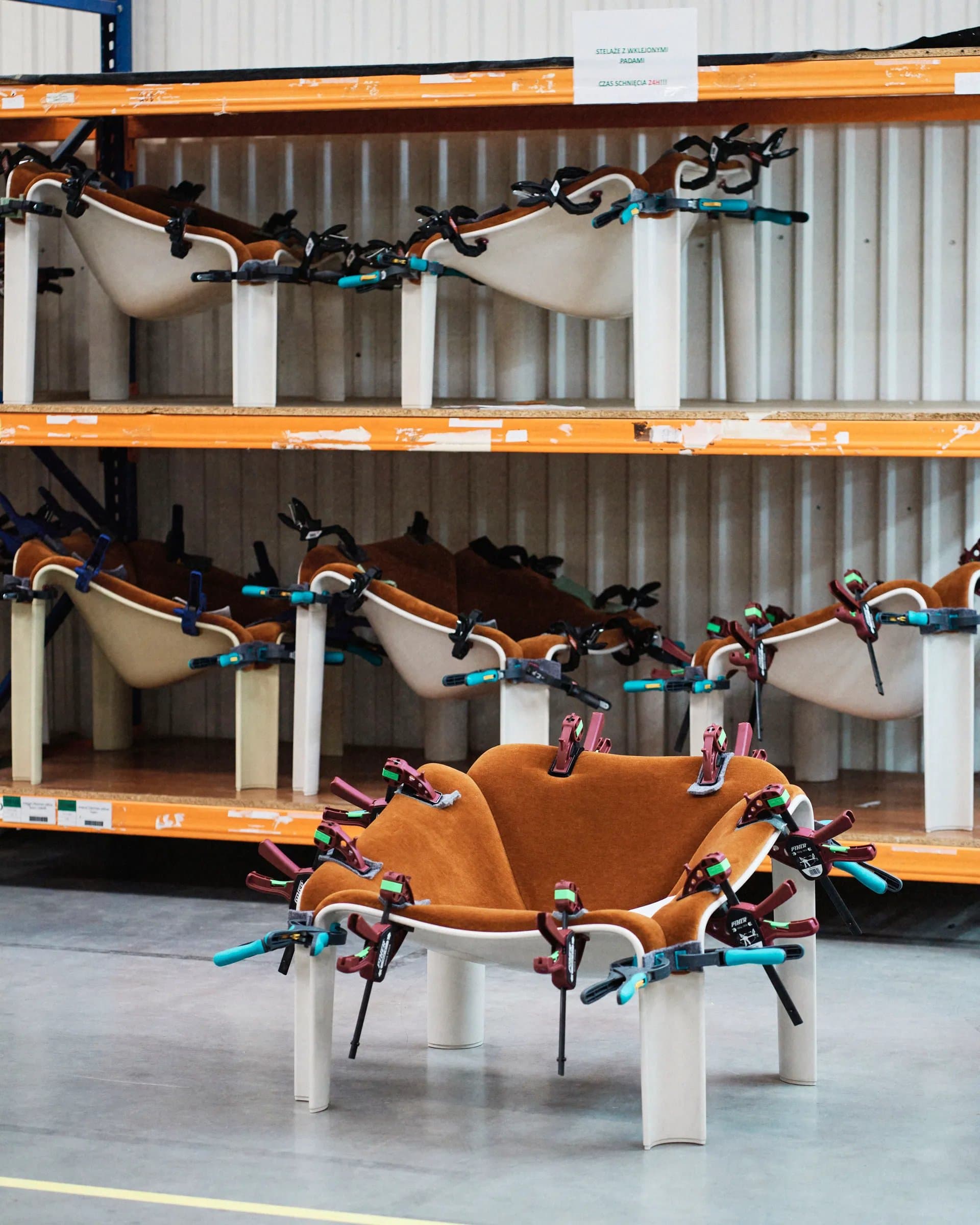
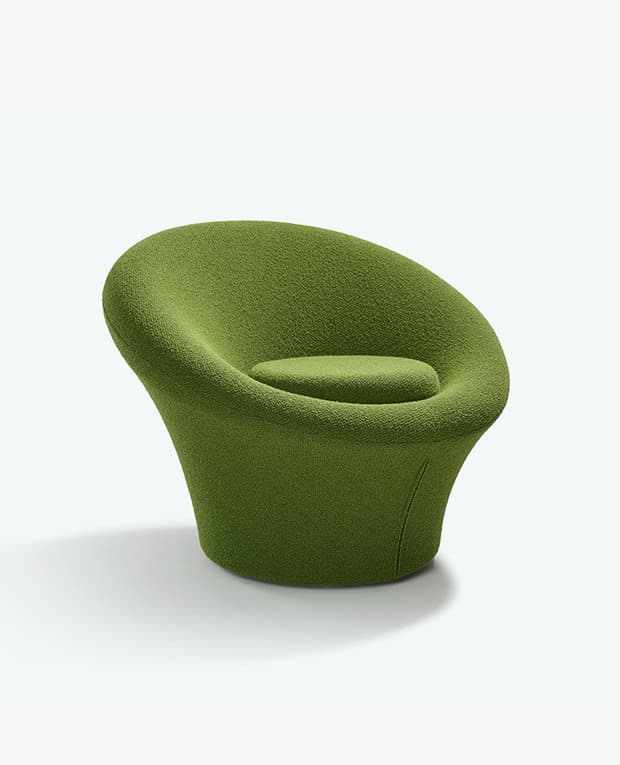
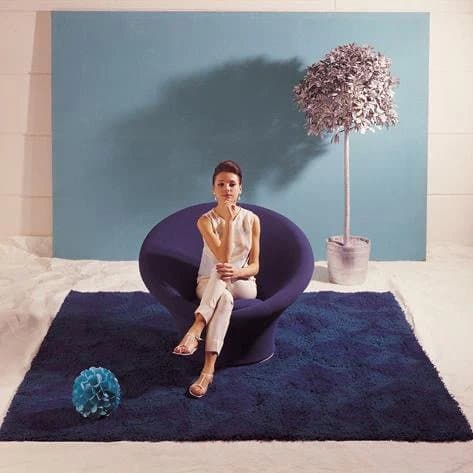
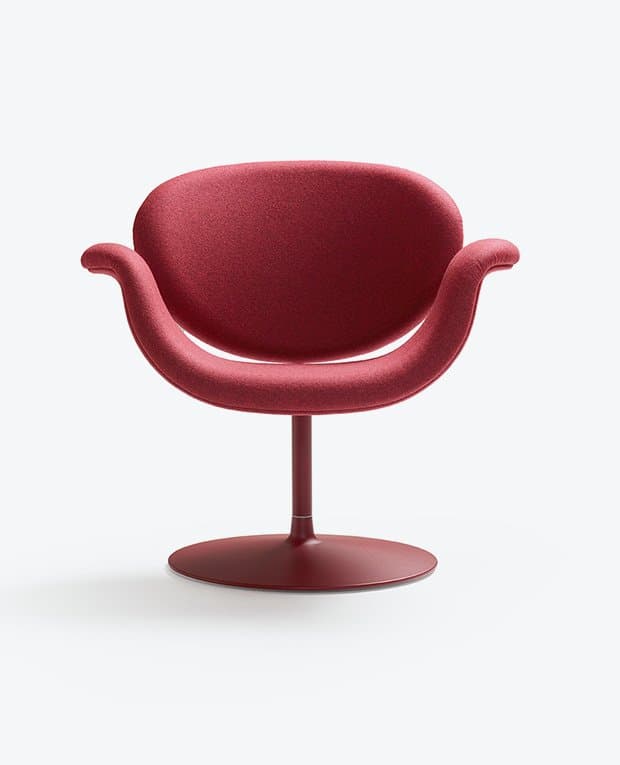
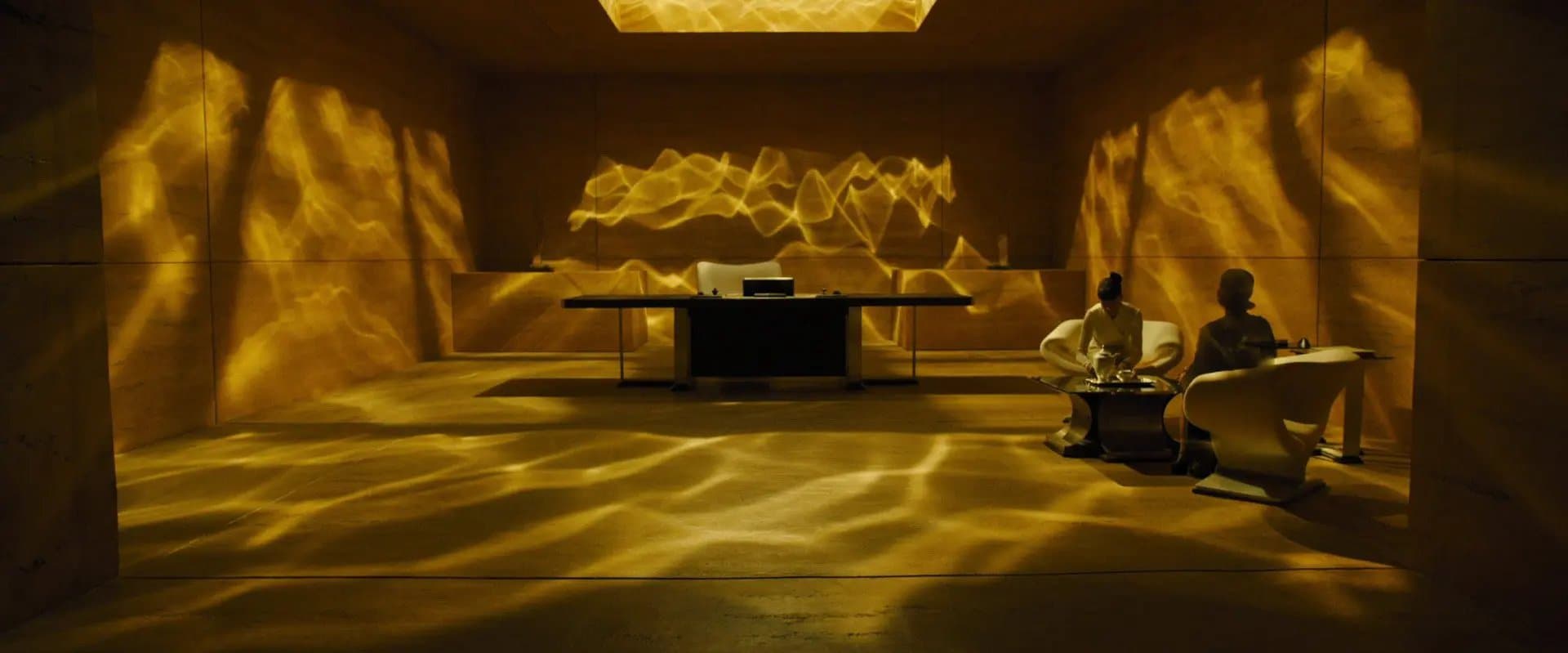
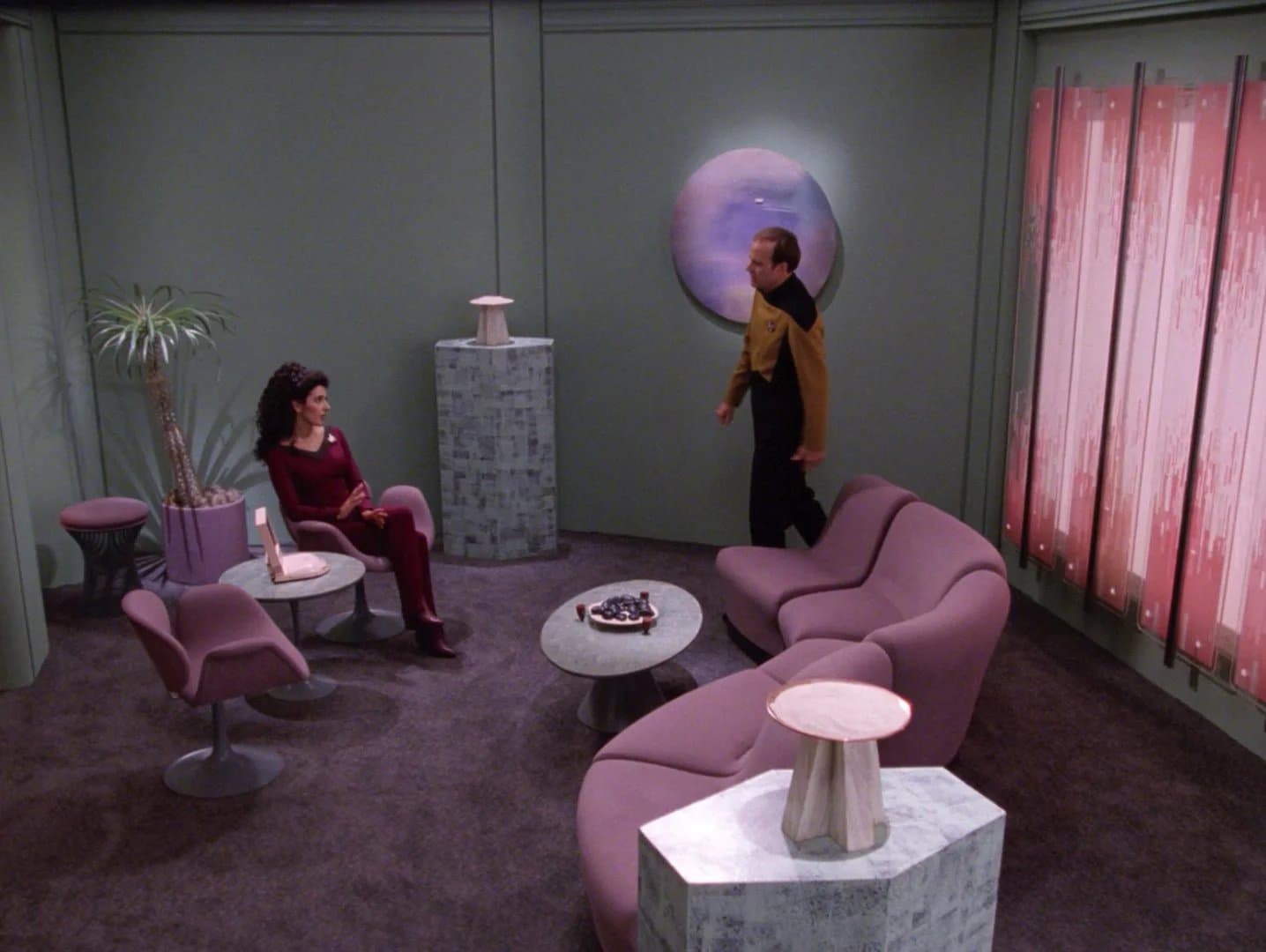
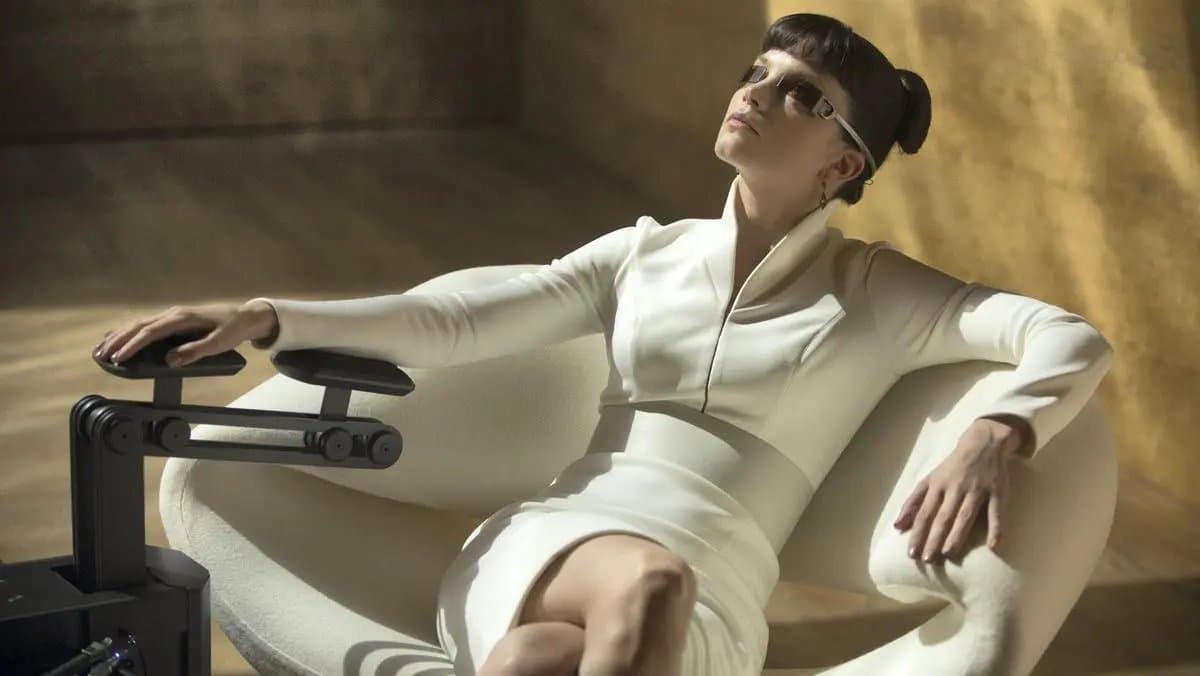
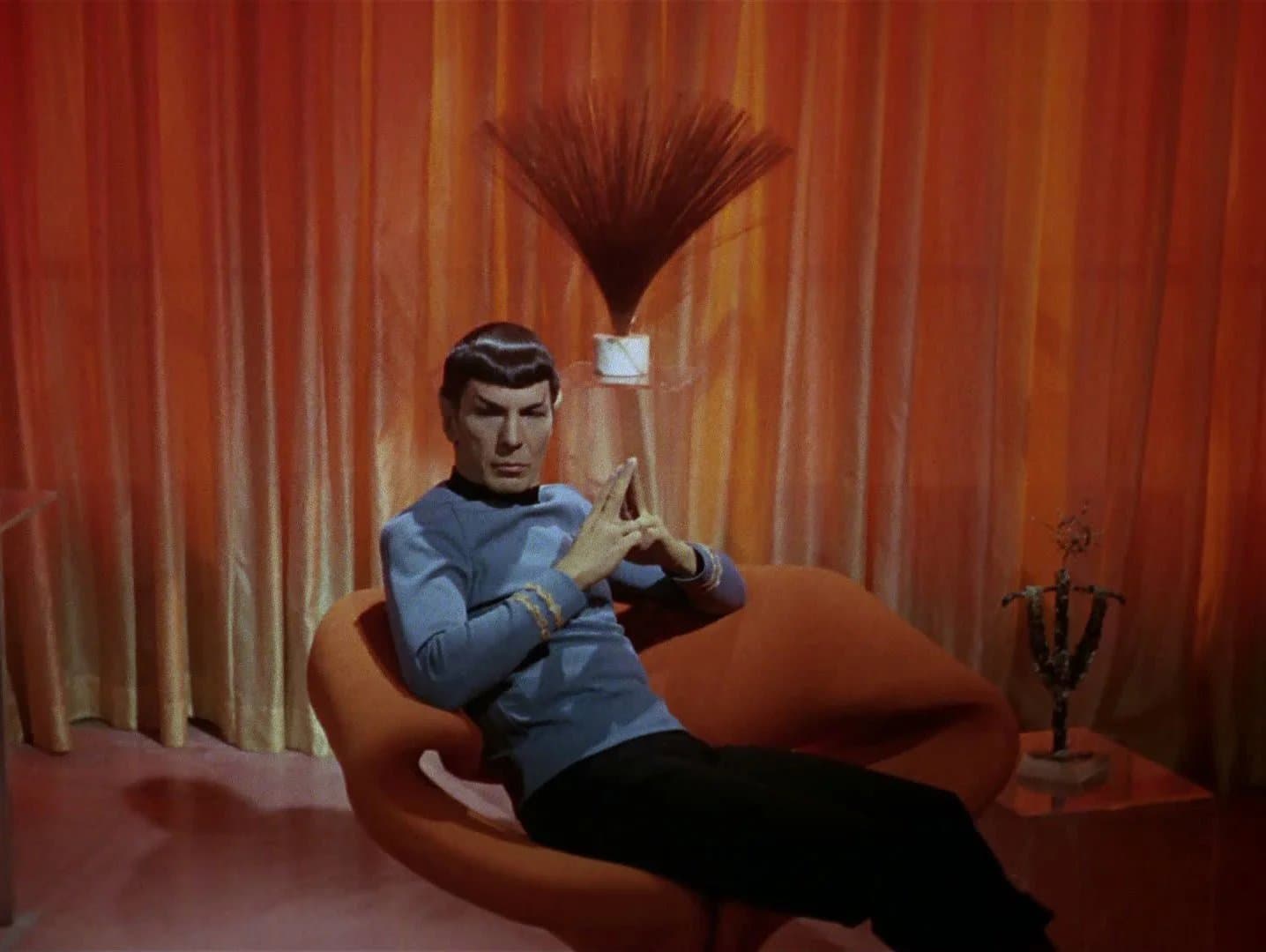
Despite the clearly nature inspired forms in Paulin’s work, his pieces were included in one of the definitive television series symbolizing science and the future: Star Trek. Browsing through the delightful catalogue of real production furniture and products used in the sets of the show, you can find nearly a half dozen Paulin objects scattered about. His work must have struck a chord with the set designers, appearing both of a new era and anchored in the contemporary. If you take a look at the scenes (maybe you remember some of them) you can see how the chairs seem like an ergonomic dream of future industry - these flowing forms in vibrant colors amidst a clean, rectilinear, technical environment. I’m no expert on Star Trek or Sci Fi more broadly, so I’ll leave the analysis at that. But it’s worth pointing out that other futuristic pieces of film borrowed similarly (including Blade Runner: 2049, James Bond’s Diamonds Are Forever and Space: 1999)
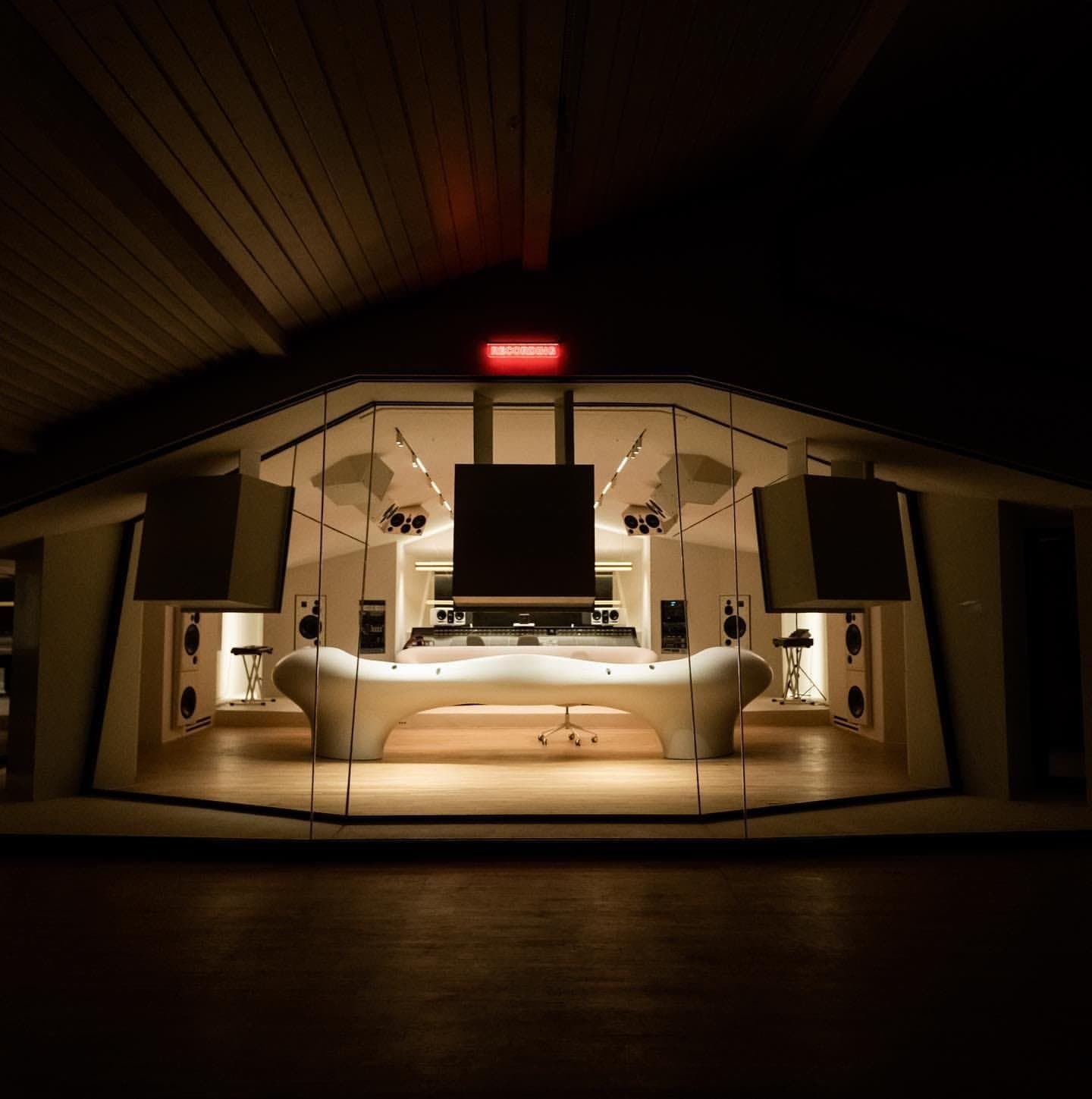
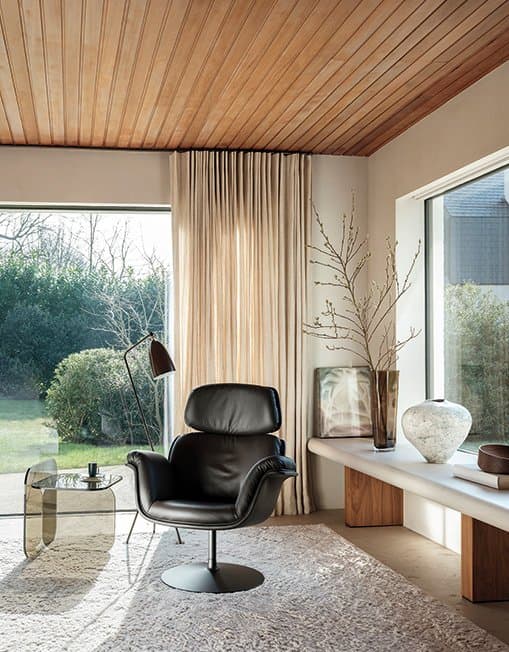
Media and film appearances aside, what I think is most special about Paulin’s work is that much of it seems particularly out of time. Looking back on his work, you can see a long series of designs that might live in any period. Imagine, for example this studio console inside a within a Gaudi building, or this armchair aboard a Star Trek spaceship, or this lounge chair inside the prototypical modernist apartment, photographed for yet another glossy magazine. I would propose that it's the combination of natural, sculptural forms and advanced technology that lend Paulin's work a degree of timelessness. You can of course identify the furniture to the period based on the textile or the fabrication technique, but without scrutinizing the surface finish, or the injection molding technique, the natural form tends to hold its own as something without precise era.
1 of 5
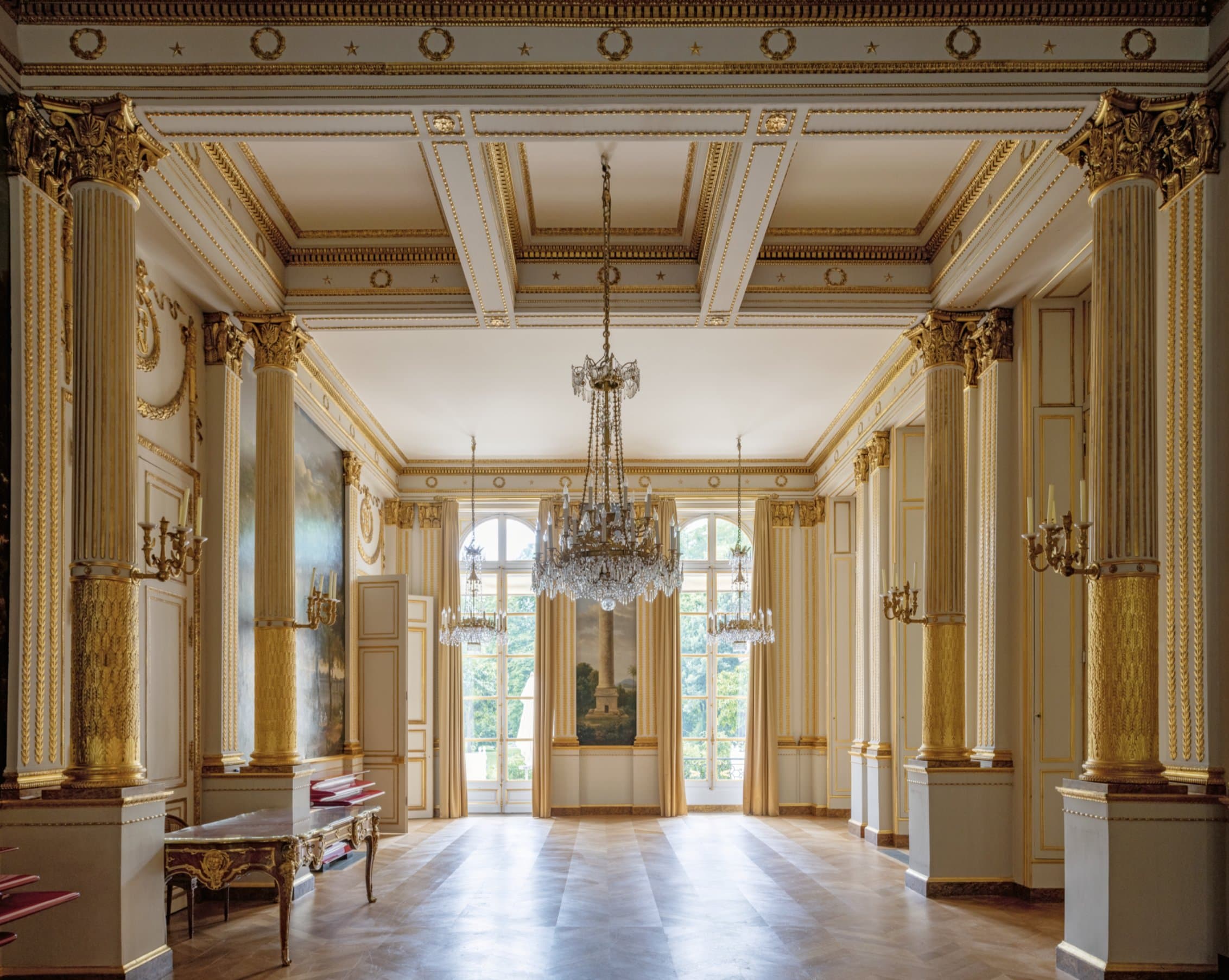
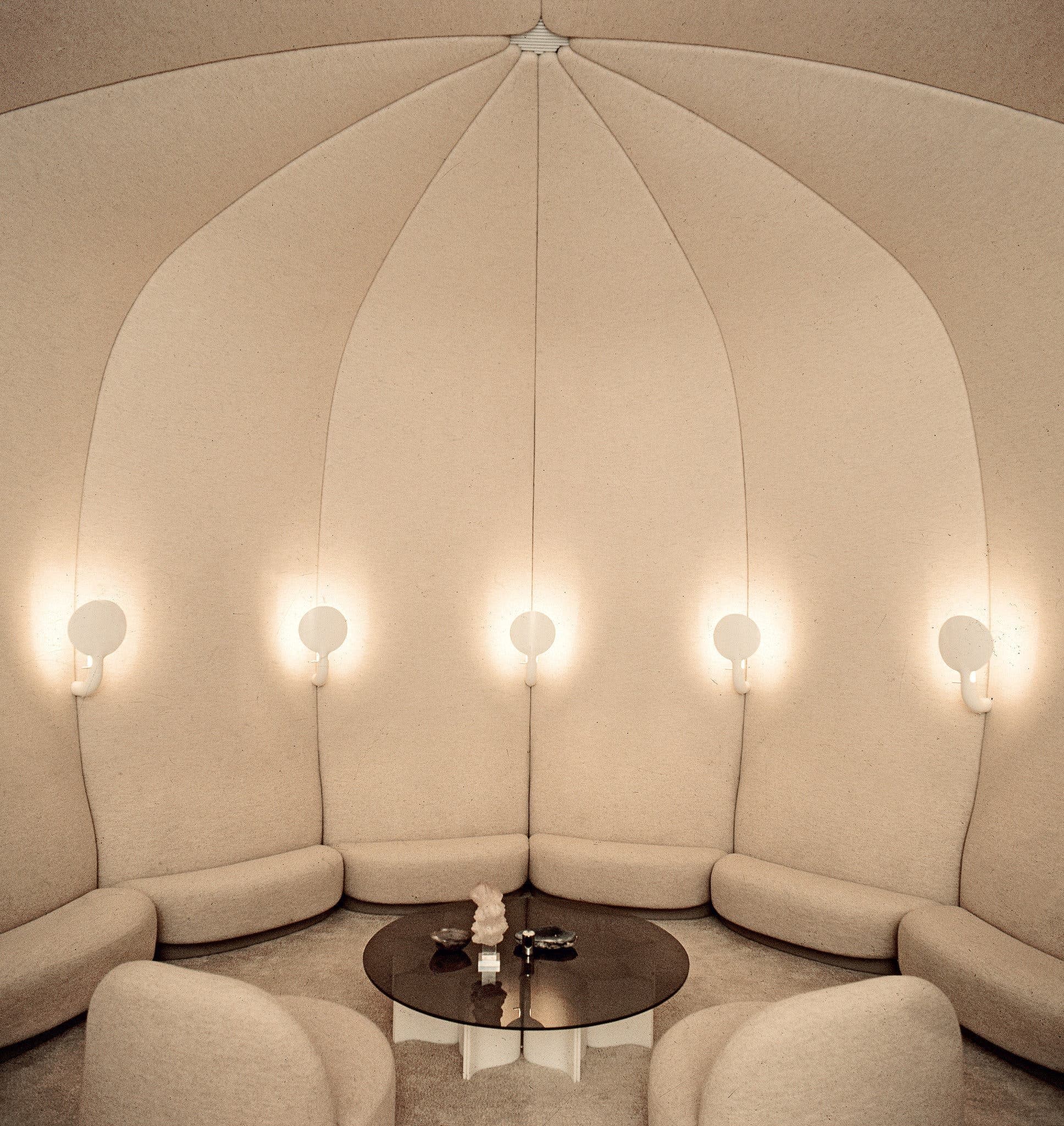
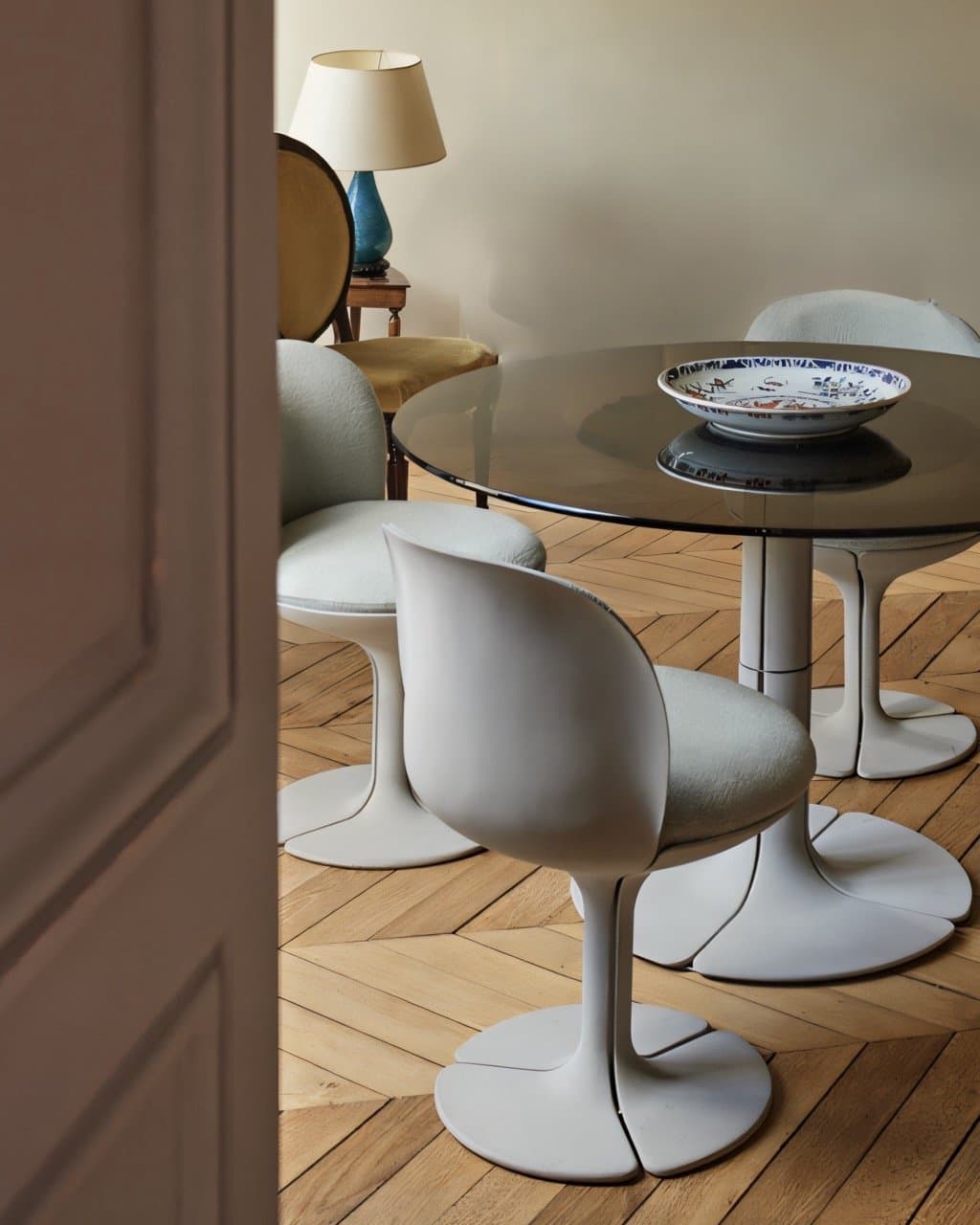
Paulin's work for the Elysee Palace is a beautiful example of this. In 1972, he was commissioned by Claude and Georges Pompidou (then President of France) to redesign the private apartments of the Élysée Palace, which has been the home of the French Head of State since the 1840s. Paulin proceeded to design three rooms in the Palace: the living, dining, and smoking room (as this is 1970s France, after all). The entirety of the project resulted in a number of custom fittings and fixtures for the spaces, as well as a collection of furniture. These pieces all have a feeling of organic modernism. In the smoking room, for example, the walls peel upwards in sections like flower, meeting at the pinnacle of the room. At their base, these walls fold inwards, creating a soft, low seat. The sofas and chairs combine in sections like an orange, underneath a system of wall coverings that create a fluid honeycomb of the ceiling. Paulin designed these panels as a modular, demountable set, so they could be taken off the walls as needed (which they later were). It seems much of the collection (some of which was later titled the Alpha Collection) was inspired by the natural world as well as “Japanese mon - family emblems that stylize natural forms into graphic symbols. While not the sole influence, these crests seem to find a three-dimensional echo in the eight-petal silhouette of the Alpha chair.” If completed today, I think the interiors would feel fresh and new all over again.
1 of 5



As it turns out, the reason we have many of Paulin's most iconic pieces circulating around the world today is by way of a wrinkling in time. Some 15 years ago, Pierre Paulin's son, Benjamin, decided to take up his father's mantle, prototyping and exhibiting a number of pieces that had never made it to production. According to Benjamin, he was disappointed in seeing his father's work cordoned off into museum boxes, where the real value of the piece is no longer felt, that is its ability to hold the human body. That impulse met with a serendipitous conversation at a dinner party, and the result was Benjamin producing the Dune Sofa as a full scale prototype, for the first time, for a fashion show. There's something really beautiful about the way a work that never left the sketch for nearly 40 years, finds itself born into the 21st century, to much appreciation and acclaim. The idea's time had come.
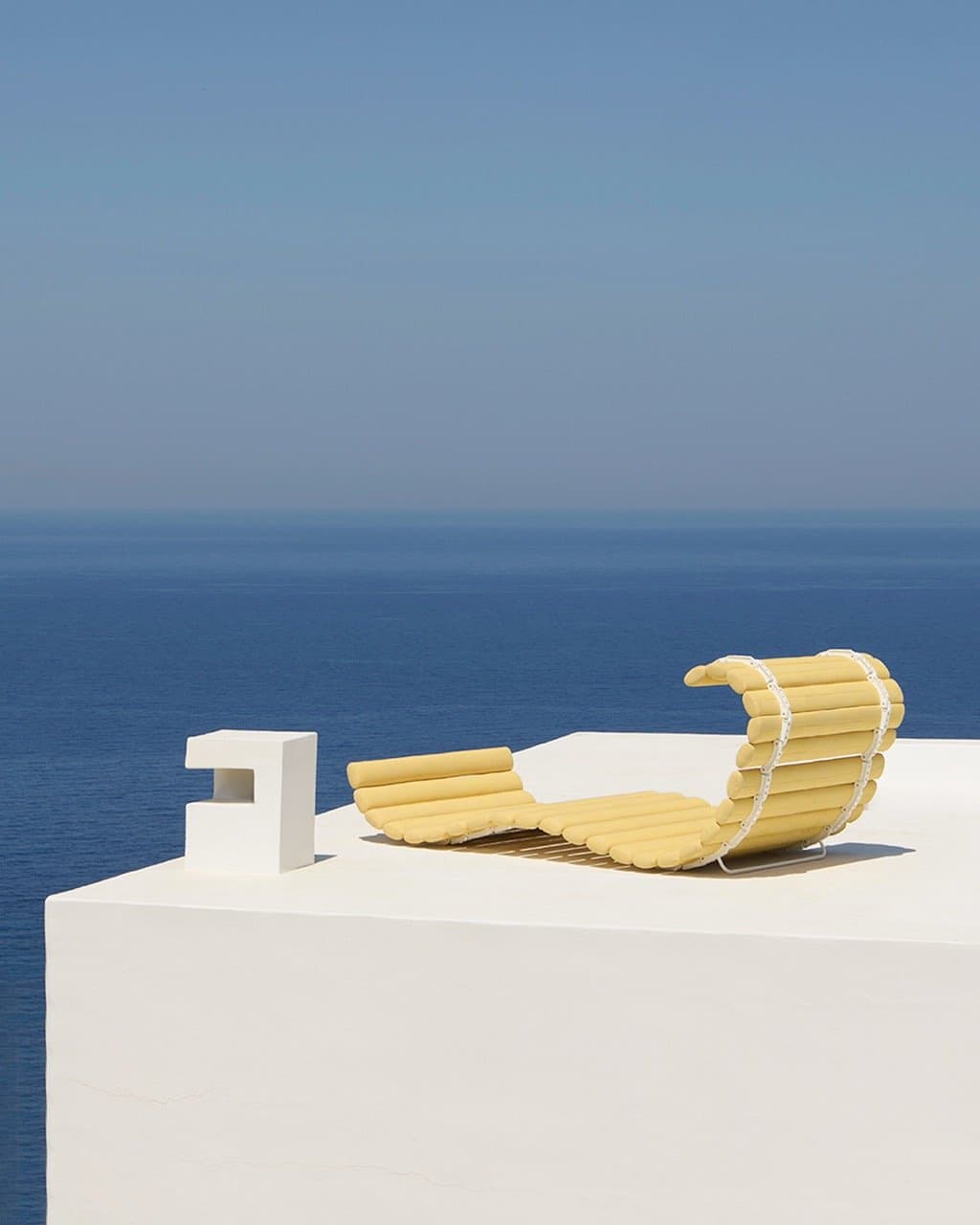
Listening to Benjamin tell the story of how he came to be involved in carrying on Pierre Paulin's work is to listen to a son realizing how much he cherishes his father's work - and wants to bring that work to the world. We have Benjamin to thank for many of the more iconic Paulin pieces now circulating in the world. Alongside the Dune Sofa, Benjamin also revived the Tapise Siege series, and Declive articulated lounge. In other words, Paulin's most challenging and most novel ideas. You can see many of these pieces on the Paulin, Paulin, Paulin website, which is the wife, son, and daughter-in-law trio that carries on Pierre Paulin's legacy. In many cases, the designs are expanded upon, refined and brought into conversation with contemporary culture through exhibitions and collaborations.
1 of 6
As I reflect on my own relationship to my heritage and family, which includes engineers, artists, writers and chefs, I am certain that I carry them with me, in my work, in my soul. Either by culture or by the genetic code flowing through our veins, we approach our lives and the world with some whisper of the past, spoken to us by those who came before. In the most uncanny moments we find ourselves dressing they was they used to, or interested in something they cared about deeply. It turns out I have a tendency to write and catalogue like my father's mother, and a proclivity for furniture that may have been born nearly 100 years ago in Ecuador with my maternal great grandfather's furniture factory.
Whether these influences are noticed consciously or not they seem to have a way of weaving history in on itself, creating a tapestry that has sons collaborating with fathers, well after their time on earth has ended. Maybe that's the kernel of the story I'm drawn to most about Pierre Paulin - how his work came into my field of awareness by way of his son, and how that work continues to live and grow. It turns out that sometimes the best way to move forward is by reflecting on what came before, so we can chart new paths, hand in hand with our most trusted guides who are here again only in spirit.
References
- Paulin, Paulin, Paulin
- Star Trek Website
- Benjamin Paulin Youtube Video
- Wallpaper Magazine